Resources
Browse the published documents, guides, videos, webinars, podcasts, timelines, and other curated resources in the hub.
Use this directory to find the reusable resources gathered across the hub. Filter by keyword, type, source, or section to move quickly from a broad topic to a specific document, recording, guide, or reference item.
Resource directory
No published resources match these filters.
Ai tool
Article
Document
-
document Final Exams A01 - Lesson Plans and Materials
This sample final exam scenario was developed by the ESL Community of Practice as a practical model for teachers transitioning from the previous devis to the new ones. It presents a coherent, three-week evaluation sequence that integrates reinvestment, the writing process, and oral interaction in a structured and manageable way. The package includes detailed lesson plans, supporting materials, and evaluation grids.
-
document Final Exams A01 - Overview
The following final exams scenario and sample descriptors present a concrete example of what the implementation of the new devis for A01 could look like.
-
document Final Exams A01 - Snapshot
The following final exams scenario and sample descriptors present a concrete example of what the implementation of the new devis for A01 could look like.
-
document Exit Profiles
This document defines what students should be able to do by the end of their CEGEP studies. Developed through consultations with high schools, universities, and industry, it ensures that the new devis are grounded in real-world needs and expectations.
-
document General Education Components
This is the official set of eight ESL devis. These documents outline the competencies for each level and establish a shared framework across Québec, aligned with the CEFR and focused on communication and action.
-
document Fr Compétences en anglais langue seconde
The official competencies that structure teaching and evaluation in college English as a second language.
-
document Letter from the MES
This letter clarifies the implementation of the new course codes and provides key administrative information for departments.
-
document Plans-Cadres
Developed with over 70 teachers across Québec, these sample plan cadres provide a shared structure, evaluation frameworks, and a basis for consistency across cégeps. They are meant to be adapted to each local context, not copied and pasted.
-
document Changes in the New Devis
This document clearly outlines what has changed, why those changes were made, and what new possibilities they open up for teaching and evaluation.
-
document Translation with Glossary
An unofficial English translation of the devis that helps clarify terminology and concepts, especially for teachers working primarily in English.
-
document Levels in Practice
This resource translates abstract competencies into concrete “can-do” descriptors. It helps teachers visualize what student performance looks like at each level and supports placement and task design.
Guide
-
guide The Role of the Devis, Plans-cadres and Course Plans
Explains the three key curricular layers in CEGEP ESL.
-
guide Assessment and Evaluation
Before designing evaluation tools or planning assessments, this guide introduces key principles to support coherent and fair evaluation practices.
-
guide Backward Design
Before developing plans cadres, this guide introduces two key principles: Pedagogical alignment and Backward design. Together, these principles help create courses where every task clearly supports the development of targeted competencies.
-
guide Oral Interaction
This guide defines oral interaction as a dynamic, reciprocal process where students must both understand and respond in real time.
-
guide Guide (Writing Process)
This guide reframes writing as a process rather than a final product.
-
guide Guide (Reinvestment)
This guide explains that reinvestment involves using understanding from a source text to create something new. It is not about repeating information, but about transforming it.
-
guide Autonomy
This guide explains why autonomy is central to the new curriculum and how it can be developed over time. It emphasizes that autonomy is not something students either “have” or “don’t have,” but something that can be taught through intentional practice.
-
guide Strategies
This guide focuses on making learning visible. It explains that effective learners use strategies and that these must be taught explicitly.
-
guide Guide (Progression)
This guide introduces the concept of visible progression, which focuses on tracking how students improve over time rather than evaluating a single moment.
-
guide Guide (Grammar in Context)
This guide explores how grammar can be taught as a resource for communication rather than as a set of isolated rules. It helps teachers integrate grammar into meaningful tasks by showing how to move from awareness to practice to application, while emphasizing progression, selective feedback, and the transfer of learning across contexts.
-
guide Guide (Openness and Curiosity)
This guide explores how intercultural competence can be developed in language classrooms. It helps teachers move beyond vague notions of “being open” by clarifying what openness looks like in action.
Interview
-
interview Fr Martine Picard Interview with Annie Bélanger from Together for Success
A behind-the-scenes look at how Martine Picard created the exit profiles.
-
interview Video (Danielle Hunter)
Danielle Hunter, one of seven international experts on the CEFR for the Council of Europe, explains that aligning with the CEFR is not just about levels or placement – it reflects a broader vision of language learning centered on communication, action, and learner agency.
-
interview Fr Video (Christian Dumais)
In this interview, Christian Dumais shares insights into how oral interaction develops and how teachers can support it. He highlights the importance of designing tasks that require genuine exchange, not just individual speaking.
-
interview Video (Amir Kalan)
Amir Kalan challenges traditional approaches to writing, such as the five-paragraph essay, and advocates for writing that is meaningful, contextualized, and directed toward real audiences.
-
interview Fr Video (Claude Quévillon-Lacasse)
In this interview, Claude Quévillon-Lacasse shares insights into how grammar learning supports communication and writing. She emphasizes the importance of developing students’ metalinguistic awareness so they can make informed language choices. She highlights the value of teaching grammar in context, through meaningful tasks and guided reflection, rather than as isolated rules.
Podcast
-

In this episode, the writers of the devis discuss the thinking behind the reform, including key decisions, debates, and intentions.
-
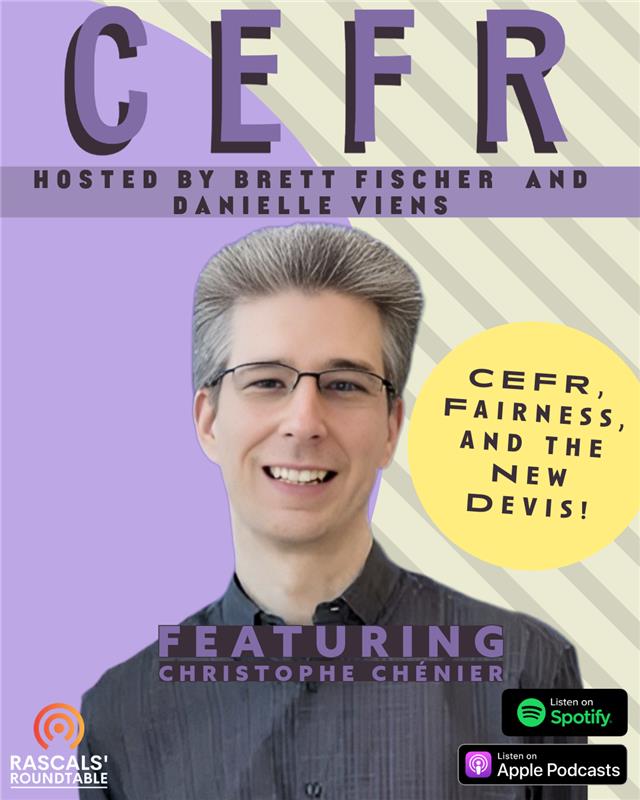
Christophe Chénier, associate professor in language evaluation from the Université de Montréal, explores how CEFR alignment impacts evaluation and highlights the advantages of focusing on qualitative differences between levels rather than purely quantitative measures.
-
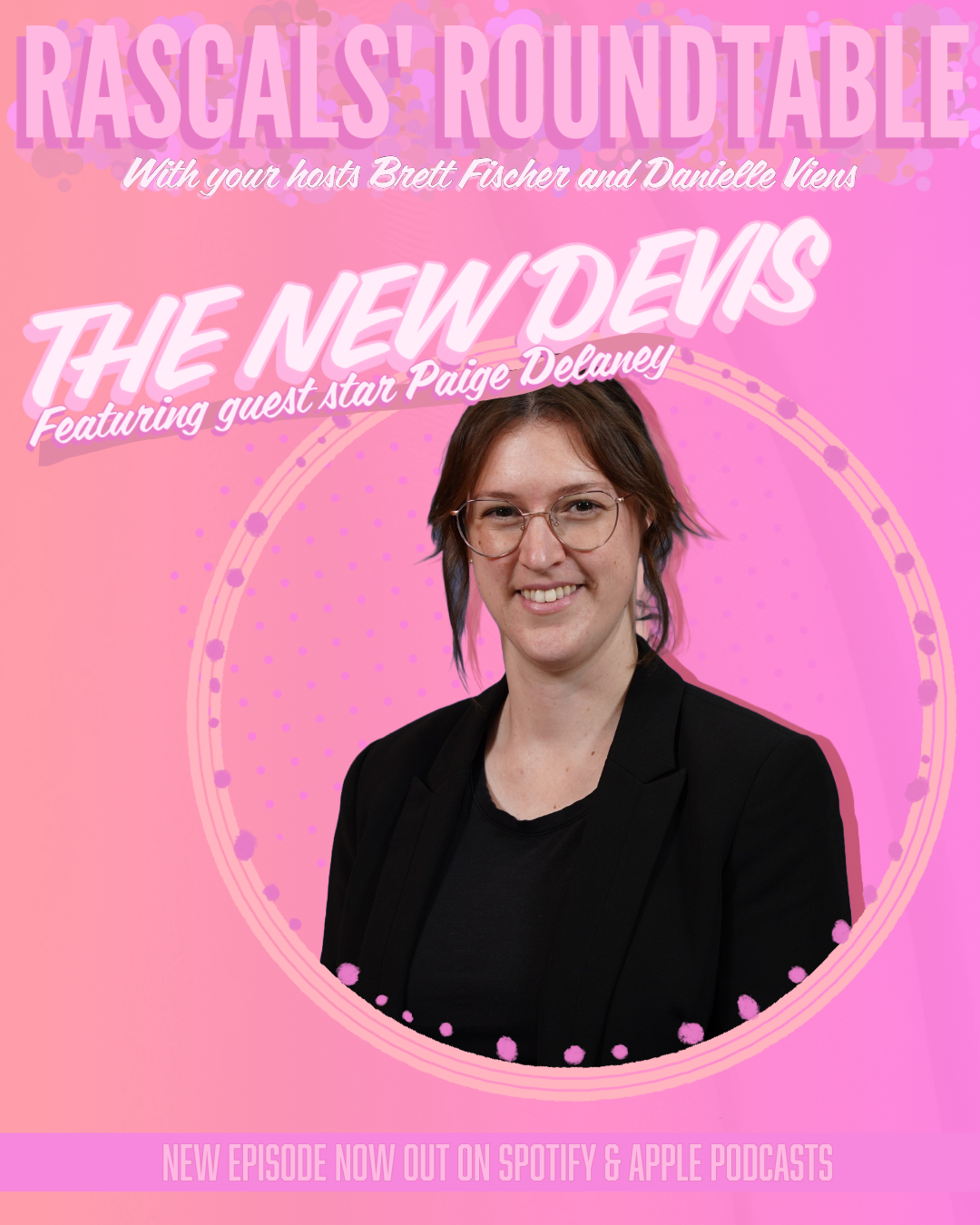
In this episode, Paige Delaney discusses how reinvestment is taught in high school and how those practices can inform teaching at the CEGEP level.
-
podcast RASCALS’ Roundtable Podcast S1E13: Open to Debate Featuring: Mikhael Kowalak (Cégep de Sherbrooke)
In this episode, we tackle one of the most quietly controversial aspects of the new devis: How do we teach and evaluate openness? Mikhael Kowalak shares real classroom experiences and explores how to assess openness in discussions, how to handle conflicting viewpoints, and how to balance pedagogical goals with ethical considerations.
Strategy resource
-
strategy-resource Strategies for Self-Regulation
This resource presents 40 simple-to-use strategies for listening, reading, metacognition, and the social dimensions of learning. Many can be taught through a single activity or tested independently by students, and several include links to video demonstrations. The goal is to help teachers use everyday activities as opportunities to build metacognition, self-regulation, and autonomy.
-
strategy-resource Strategies for Peer Revision
This resource presents eight easy-to-use peer-review strategies to make peer revision more structured and effective. Different strategies can be tested at different stages of the writing process, including outlining, drafting, and revising. The goal is to help students use feedback more purposefully and become more independent writers.
-
strategy-resource Strategies for AI Revision
This resource presents five practical strategies for using AI as a personal coach rather than as a tool to rewrite texts for students. Students learn to use AI for immediate, personalized feedback while still doing the thinking themselves. The goal is to help students learn from errors, improve their writing, and develop stronger revision habits.
-
strategy-resource Strategies for AI Pronunciation
This resource presents four practical strategies for using AI to support personalized pronunciation practice. Because learners have different first-language influences and pronunciation challenges, AI can help target individual needs and provide immediate feedback. The goal is to help students improve pronunciation efficiently through targeted, independent practice.
Timeline
-
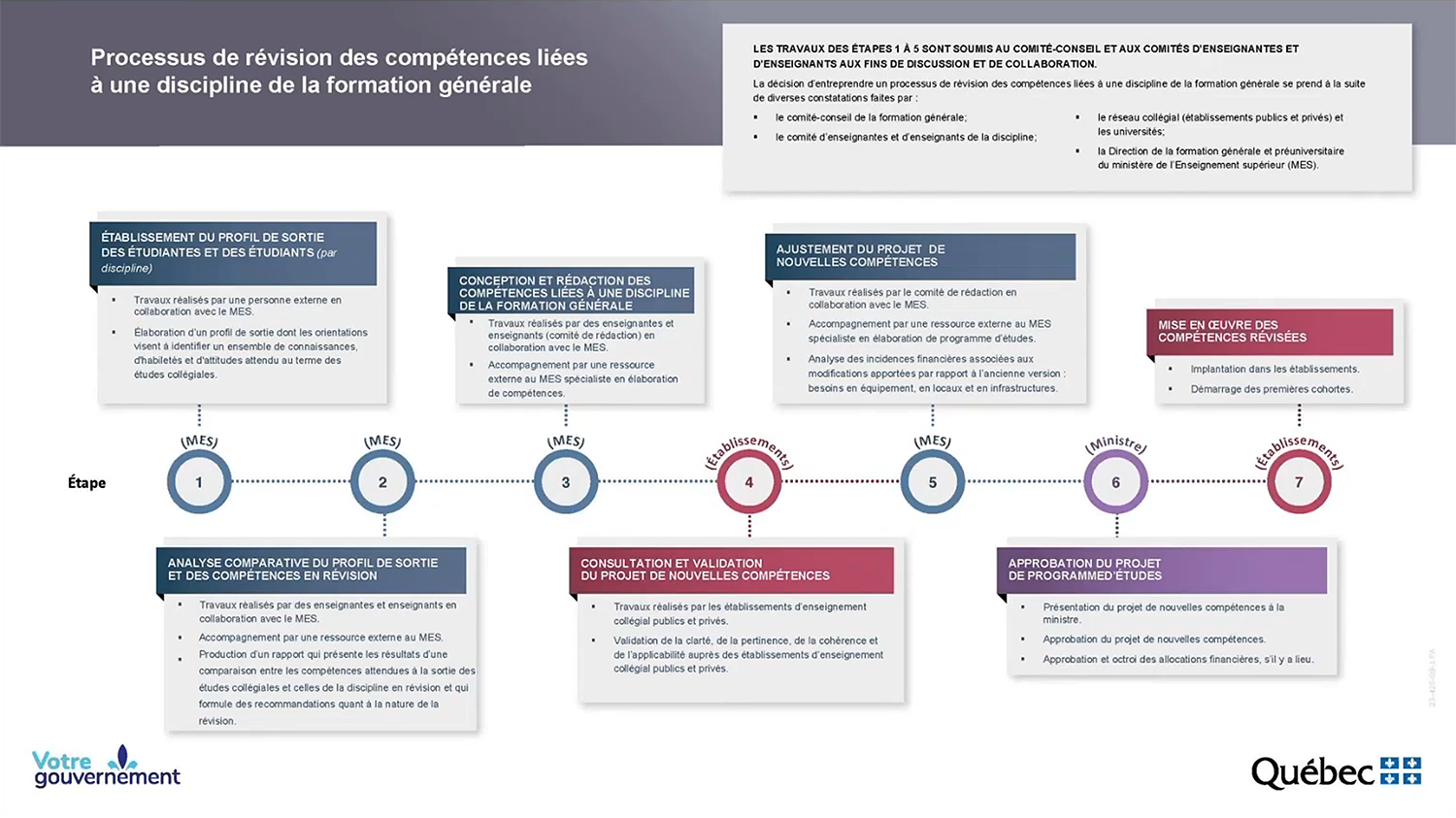
timeline Timeline: MES Implementation Schedule
A visual overview of the process for revising competencies linked to a general education discipline.
Timeline: MES Implementation Schedule
Toolkit
Video
-
video Understand Video
We asked for this, and it happened!
-
video Video (Improv Workshop)

This practical workshop demonstrates how improvisation activities can help students build confidence, spontaneity, and interaction strategies in a low-stakes environment.
-
video Vox pop (Progression)
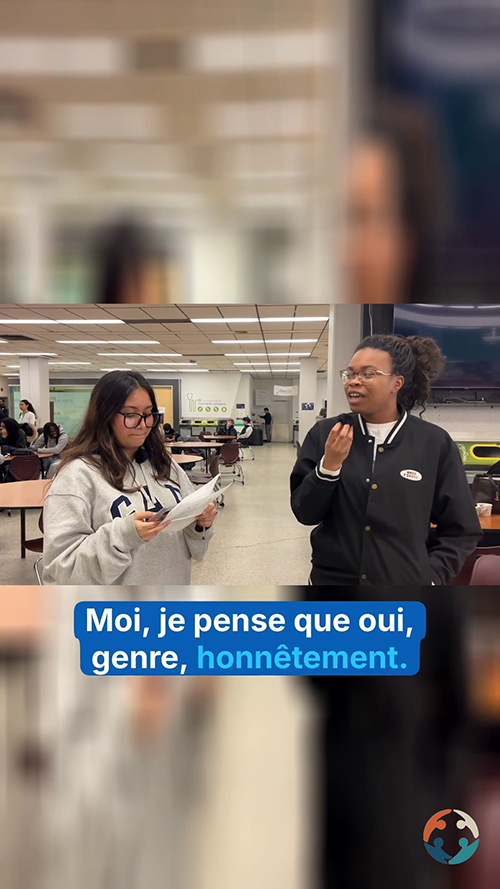
How confident are we that students are placed at the appropriate level? A vox pop conducted by two research assistants from Together for Success with 25 FSL and ESL students in the Montreal area revealed that, even within this small sample, responses varied considerably.
-
video Video (Progression)
If we work in a competency-based system, why does progress matter? Shouldn’t it be enough that a student demonstrate competence at the end of a course? This video explains why progression is a central component of the new devis and how it relates to issues of equity between students.
Webinar
-
webinar Webinar from the MES
This webinar presents the reform from the Ministry’s perspective, offering insight into its goals, structure, and expected impact across the network.
-
webinar ESL Webinar (Collins, Fischer, Viens, January, 2026)
This webinar walks through the new devis from a teacher’s perspective, highlighting practical implications and addressing common questions.
-
webinar Fr FSL Webinar (Bélanger, Duval, Popica, January, 2026)
This webinar walks through the new devis from a teacher’s perspective, highlighting practical implications and addressing common questions.