
Monitor the crop
Document activity and changes over time. Monitoring tools help inform the conversation.
Build prevention before populations establish and respond to hotspots with specialist predators.
Not sure what you’re seeing? Start with free identification. ↗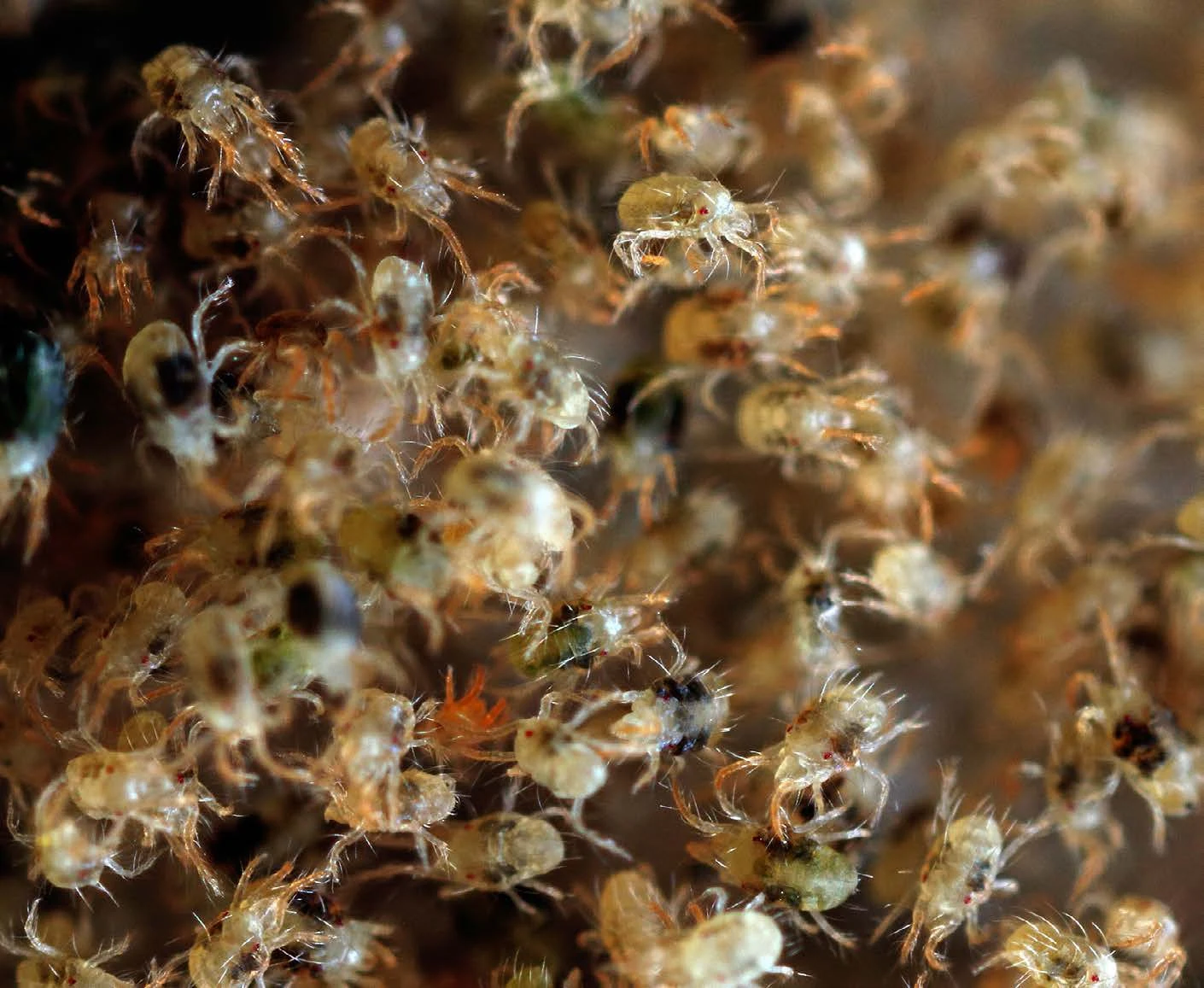
Mite populations can spread before damage becomes obvious. Record the location of hotspots and request identification when the species is uncertain.
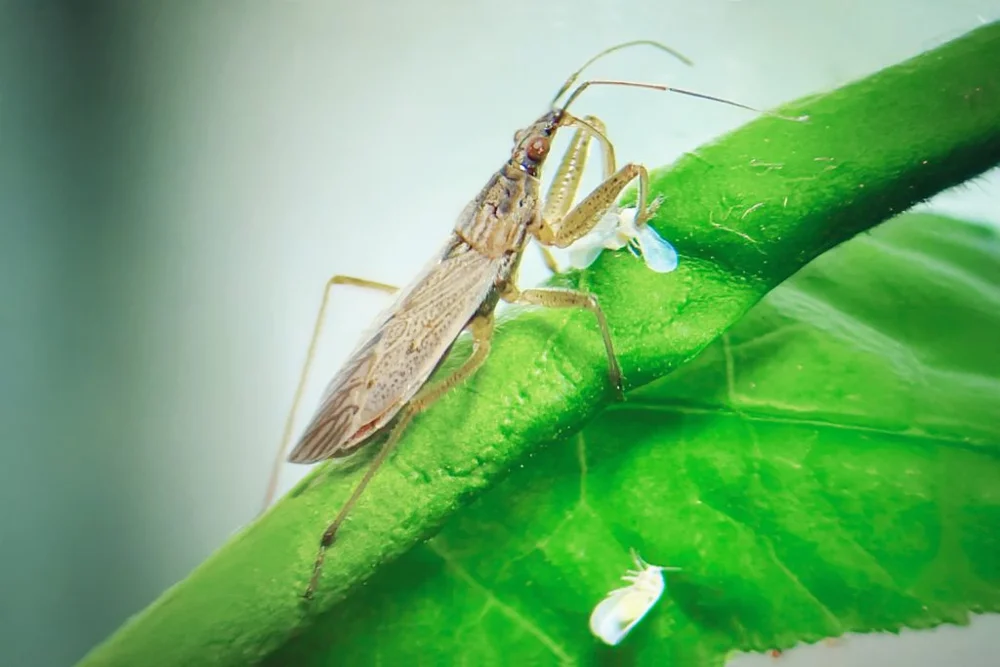
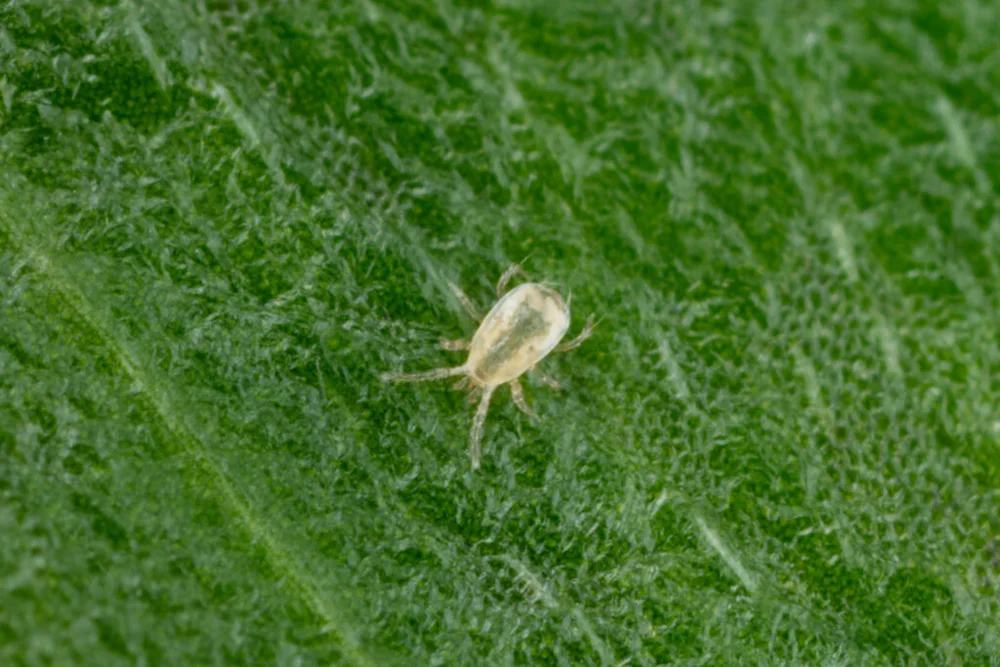
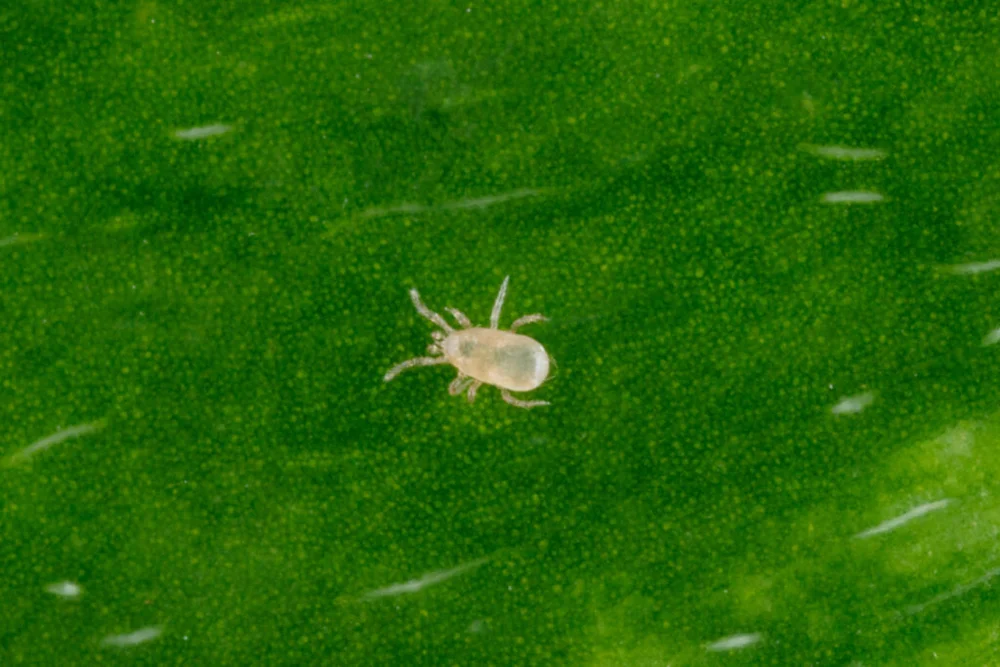
The image and these clues are a starting point, not a confirmed species identification.
Document activity and changes over time. Monitoring tools help inform the conversation.
Explore documented predators and blends for exposed stages in the foliage.
Explore options targeting susceptible stages around the soil and growing medium.
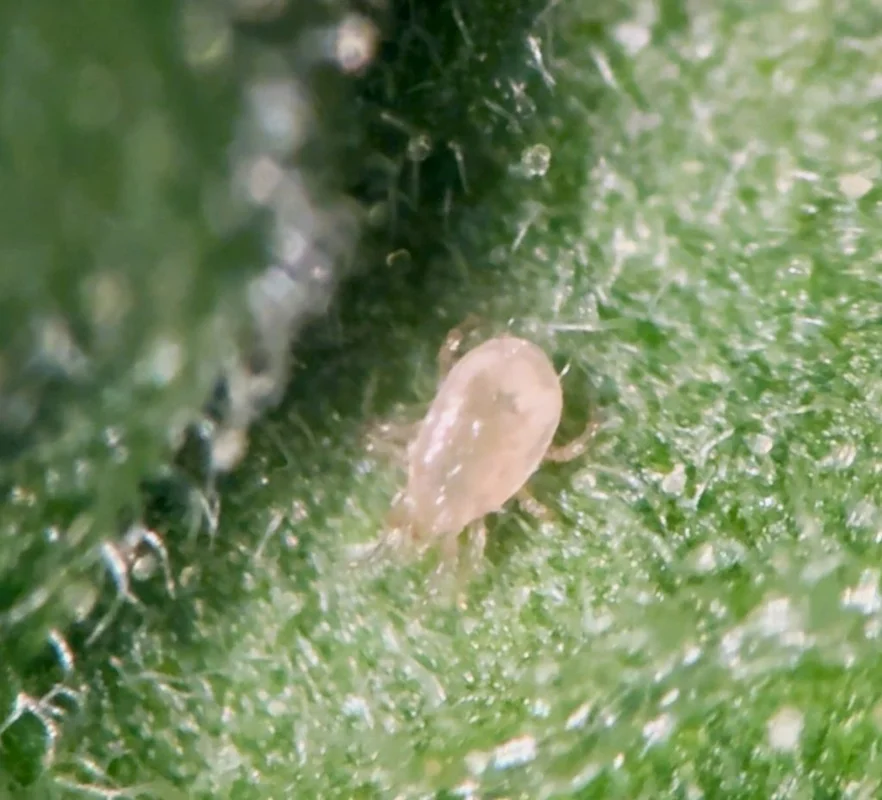
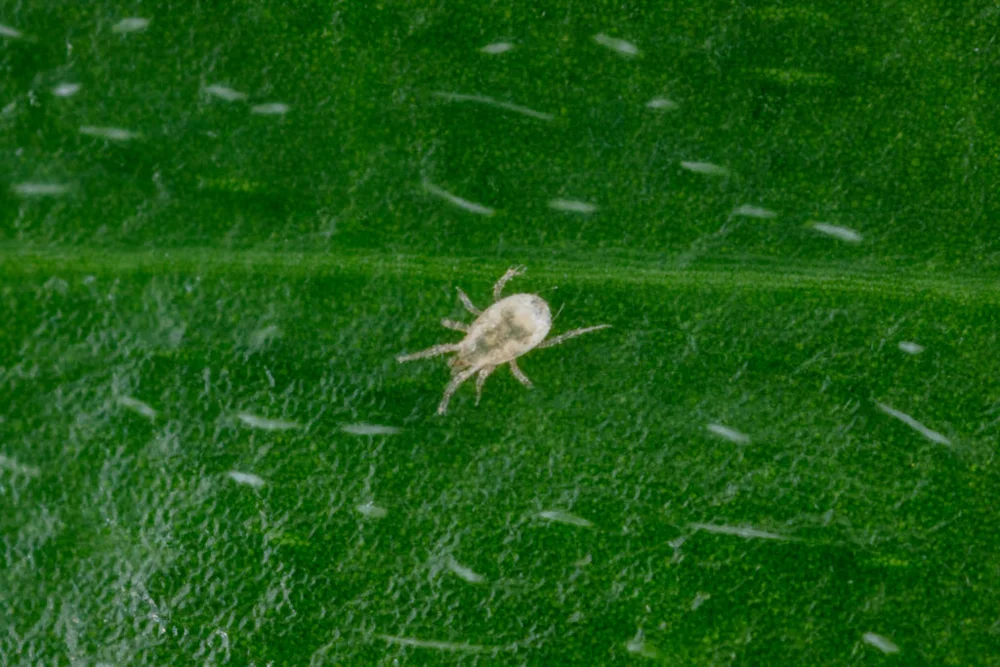
 Guard Series
Amblyseius swirskii + Neoseiulus californicus
From CA$ 87.00
Choose optionsGuard SeriesGuard SeriesNeoseiulus fallacis + Phytoseiulus persimilis
From CA$ 250.00
Choose optionsGuard SeriesNeoseiulus californicus + Phytoseiulus persimilis
From CA$ 168.00
Choose options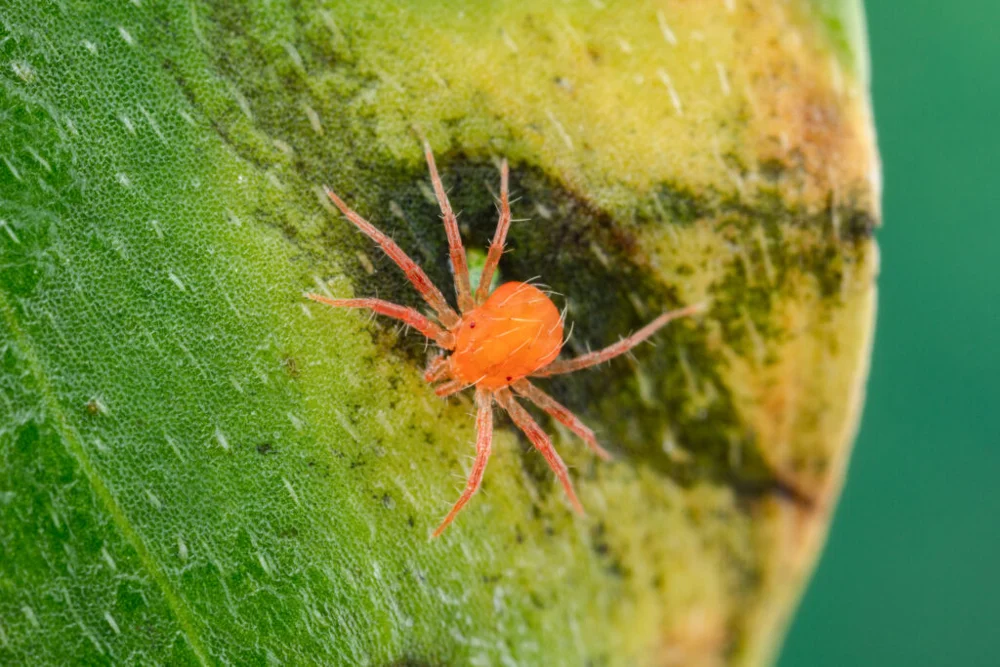
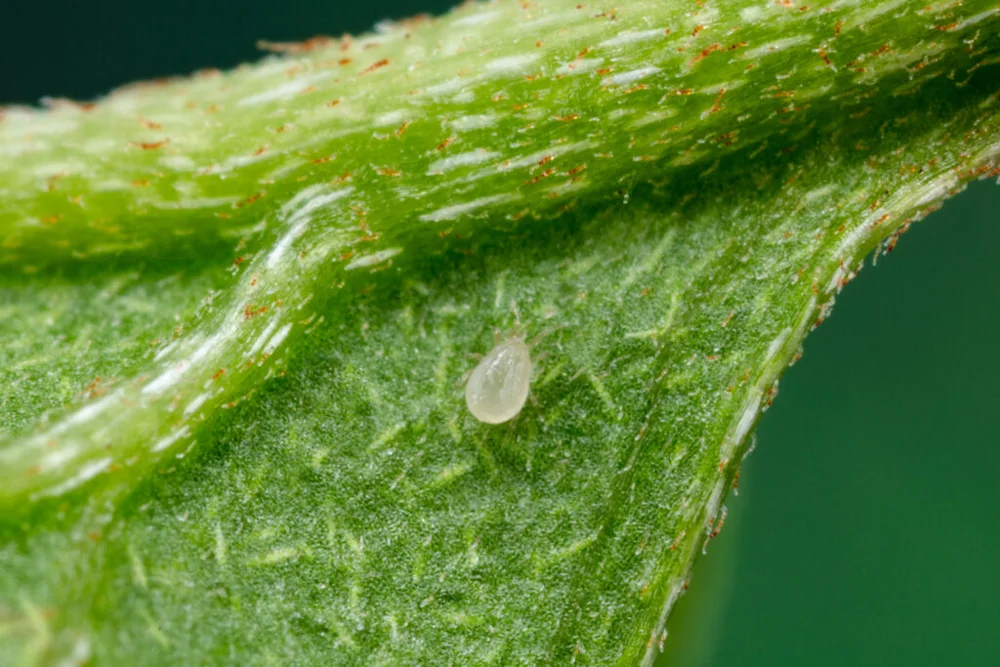
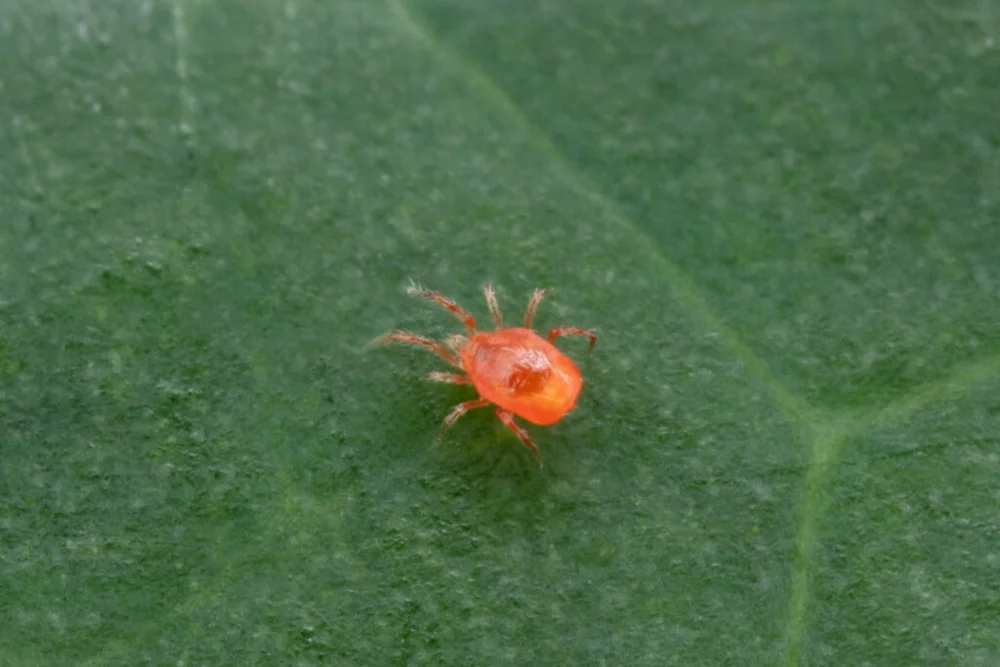
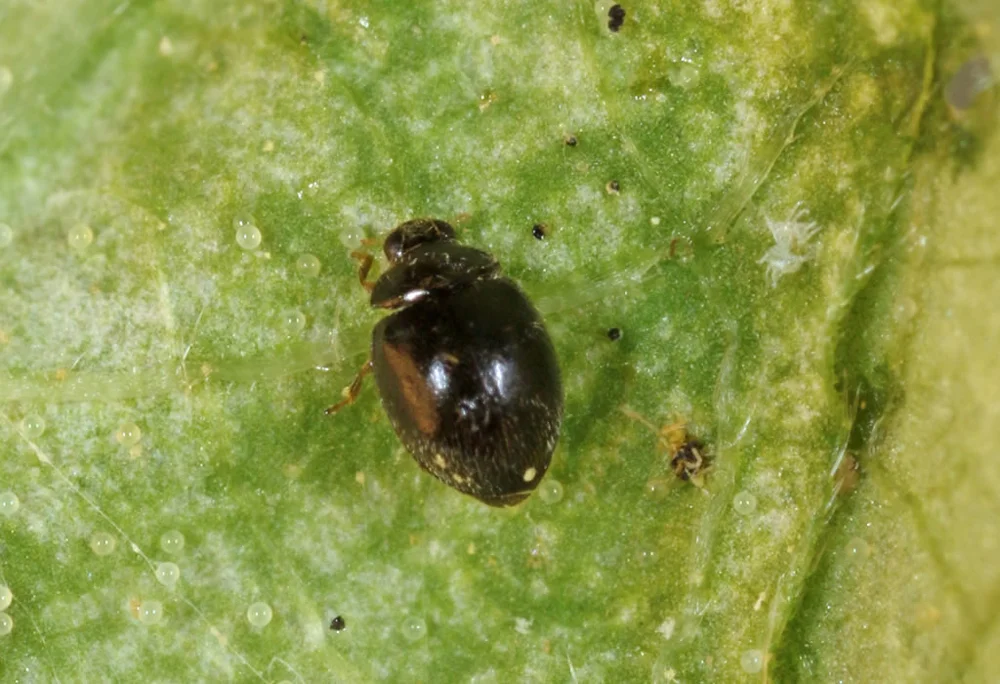
Describe your crop and what you have observed. “Not sure” is a valid starting point.
Follow the lab’s instructions for your sample type. Leaf and soil samples require different preparation.
Read sample instructions ↗Use the identification to discuss the next step with a specialist. Timing depends on the sample type and condition.